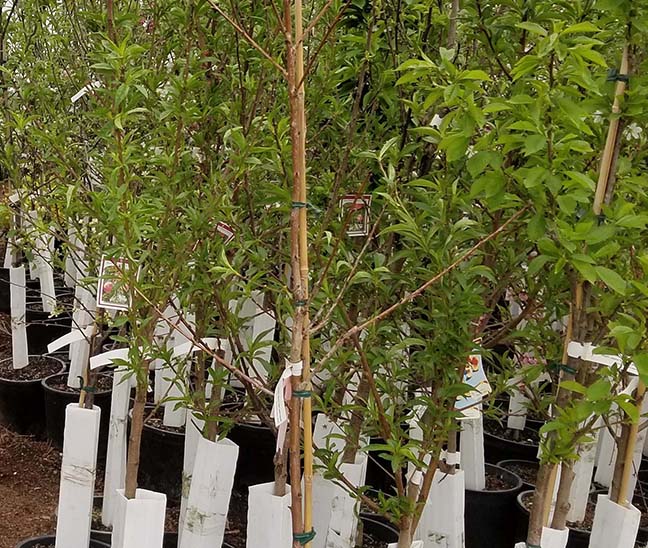
The Symptoms
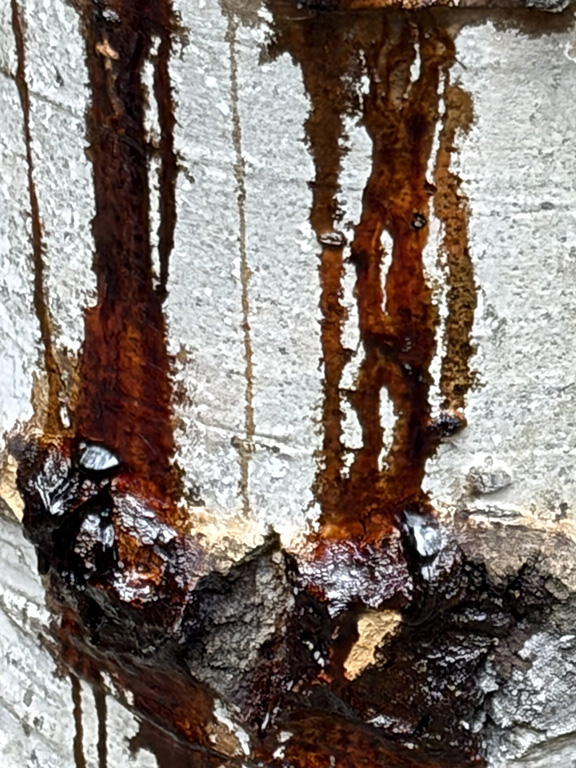
One of the most frequently asked questions we get from people with aspens refers to the bark weeping a reddish-orange or brown sap-like substance. This is a symptom of a fungal infection like Cytospora canker, one of several fungal infections that like to attack stressed aspens. Symptoms of other types of fungal infections include leaf spots or discoloration and losing leaves. These infections can be treated, but not cured, so preventive care is absolutely necessary before and after they start showing symptoms to prolong the life of your aspen trees.
Prevention
Water your trees correctly. Follow our guidelines to make sure they're getting the right amount of water all year long. Don't rely on precipitation to provide the moisture your trees need.
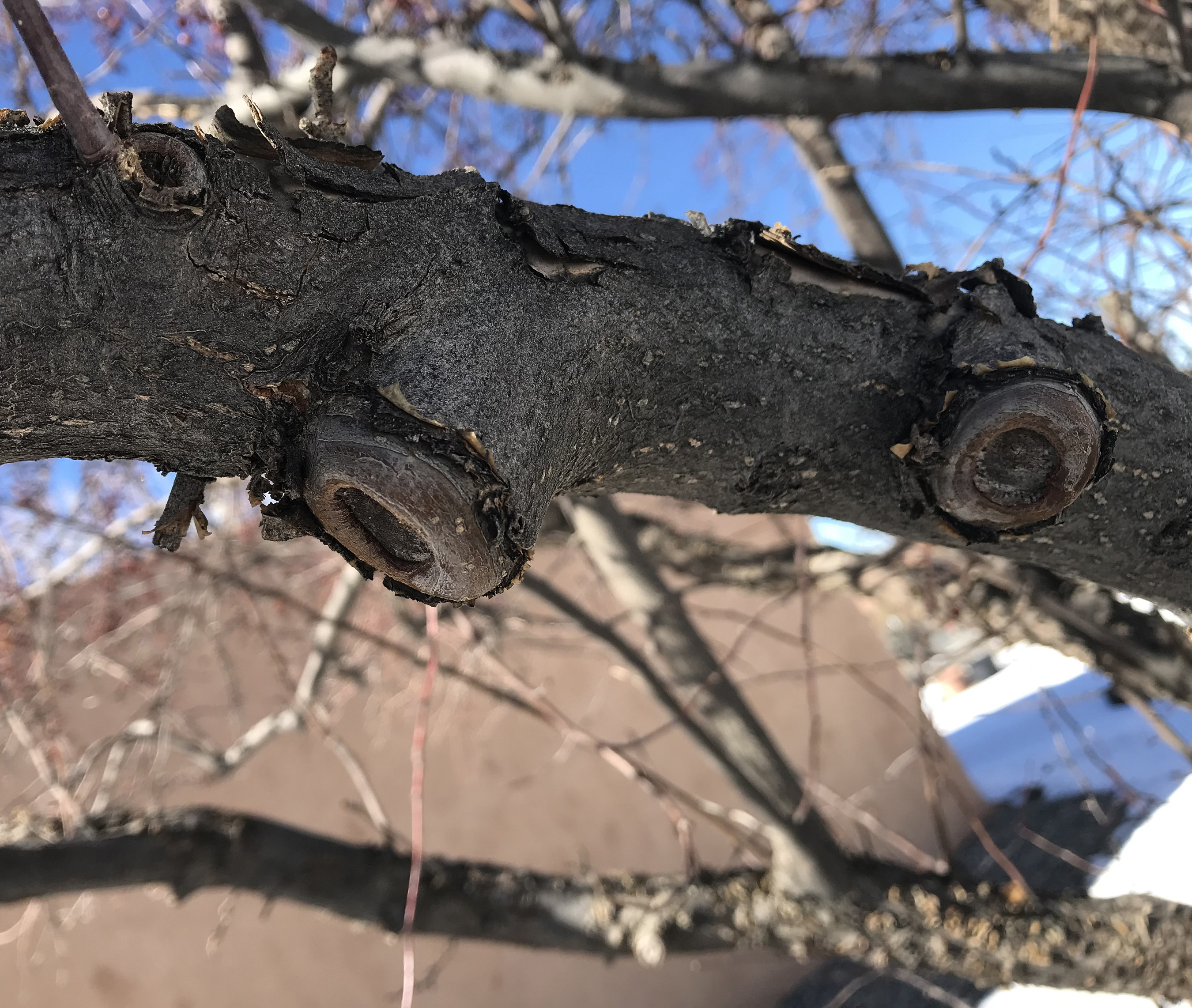
Prune your trees if necessary closely following our instructions, or have it done professionally. You must keep your tools sanitized at all times, even between branches of the same tree, to avoid transferring any fungi between cuts. Cutting in the right spot and at the right time of year is vital to ensure proper healing and avoid vulnerable scarring.
Wrap the trunks in late autumn and don't unwrap them until after the last frost in the spring. This will help prevent the freeze-thaw damage and sun scald that can result from those extrme temperature fluctuations we tend to get in our high-desert climate. This type of damage creates a favorite access point for fungi.
Avoid wounding your aspen trees. Fungi like to access aspens through damaged bark. This means don't mow or weed-whack near the trunks, don't lean ladders against them, don't nail birdhouses or feeders to them, and don't carve anything into the bark. Avoid doing anything that could "break the skin."
Treatment
If your aspens have been diagnosed with a fungal infection, they're infected for life, but there are steps you can take to keep them healthier for longer. Treat the trunk topically with a phosphite-based fungicide such as Garden Phos three times a year. The thin bark of aspens allows the fungicide to penetrate and work as a systemic.
Spray the fungicide onto the trunk, or in the case of the tiniest trees, you can paint it on.
Treat once in March, again in early June before the summer gets super-hot, and finally in autumn, just before the leaves fall off.